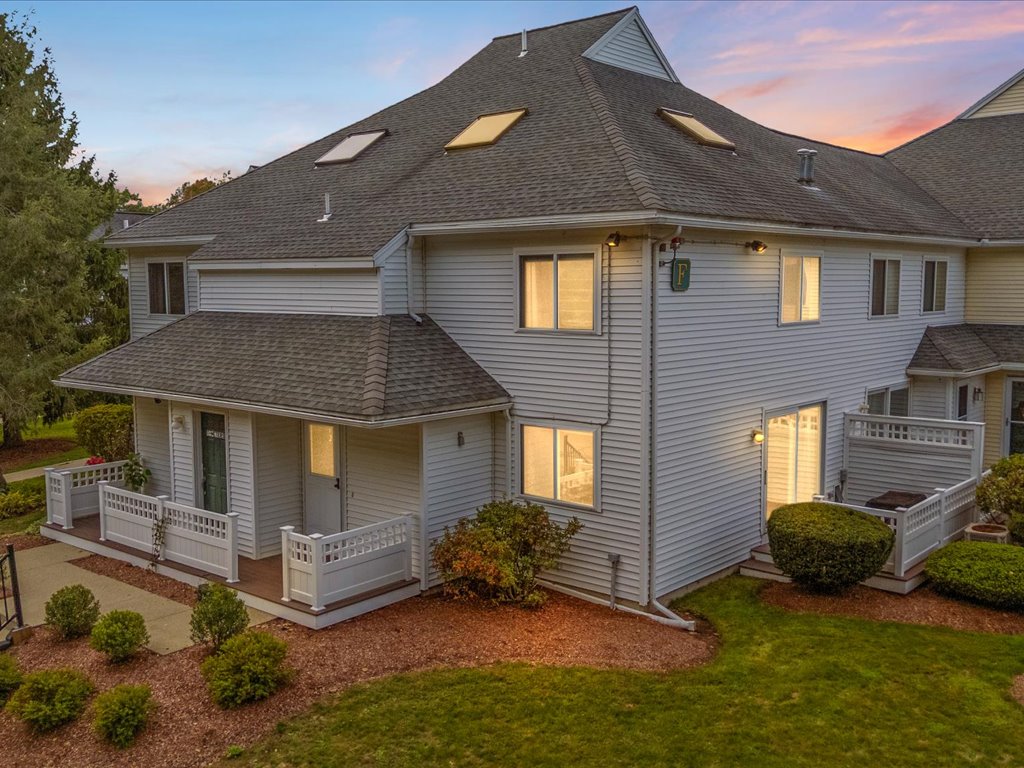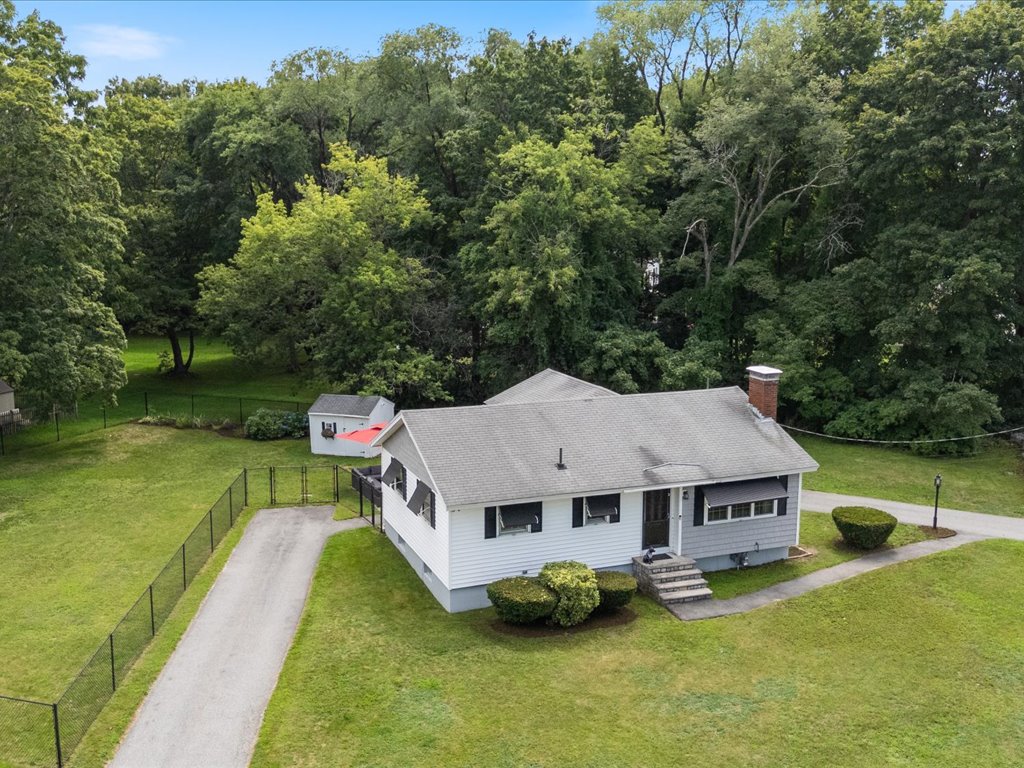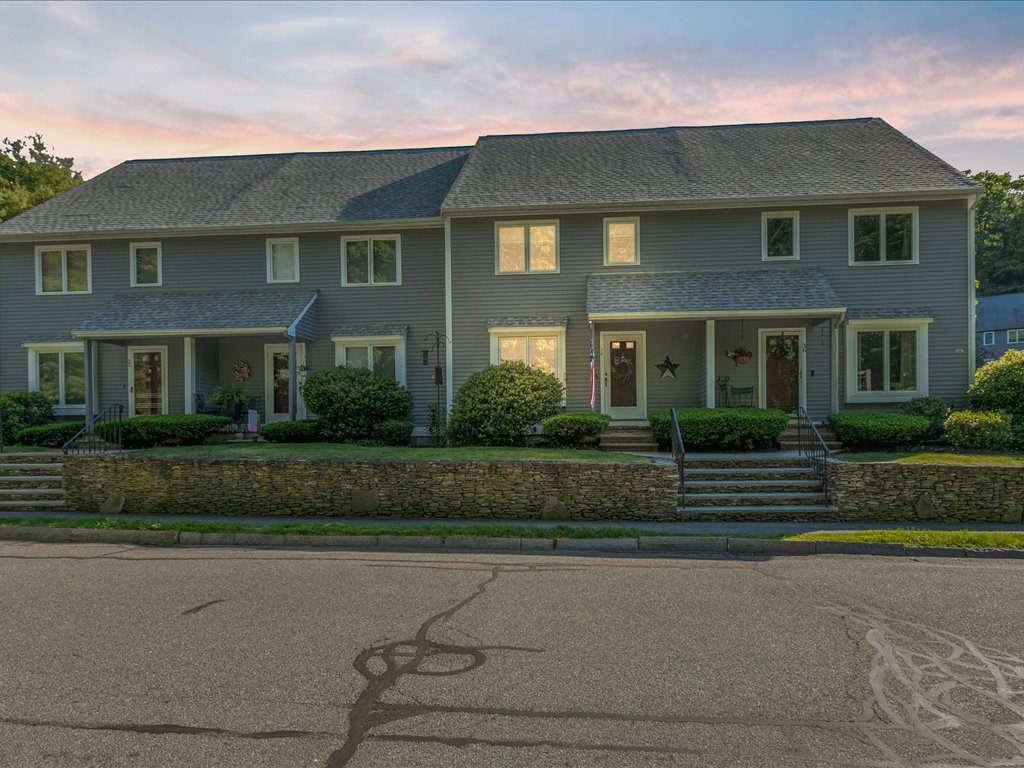
The Merrimack Valley has hundreds of condo communities: townhomes, garden-style units, duplexes, rowhouses and more. Buying a condo can be a great way to own a home with less upkeep. But when you buy a condo, you’re also buying into an association, its budget, its rules and its neighbors. Asking the right questions before you make an offer helps you uncover issues before they become your problems.
How Condo Ownership Works
When you buy a condo, you own your individual unit by deed, and you share ownership of the common areas, like the grounds, hallways, roofs and parking lots, with the other owners. A board of trustees elected by the owners oversees the association’s finances and upkeep. You’ll pay a monthly condo fee that covers shared maintenance and builds a reserve fund for big repairs.
Keep in mind that condo fees aren’t optional. If an owner stops paying, the rest of the association has to cover the shortfall, and in Massachusetts the association has strong legal tools to collect, including a lien on the unit.
1. What is the condo fee, and what does it cover?
Fees vary widely from one association to the next. Most cover exterior maintenance like siding, roofs, landscaping and snow plowing. Some, especially in garden-style buildings with a shared heating system, also cover heat, hot water or water. Townhomes and duplexes usually have their own systems, so those costs aren’t included. The size of the complex, its amenities and its level of quality all play a part. Ask about the fee’s history too. Fees rarely go down, and an association that just raised its fee may have a bit of a cushion before the next increase.
2. What are the rules and regulations?
Ask for a copy before you write an offer. If something you plan to do isn’t allowed, you want to know now. Common rules cover:
- Pets: how many, what kinds, and what happens if a pet causes problems
- Noise: quiet hours
- Parking: overnight street parking and guest parking
- Rentals: whether you can rent your unit or have someone live with you
Larger complexes usually have longer, more detailed rules. Small 4–10 unit associations tend to be less restrictive.
3. How much is in the reserve account, and how much goes in each year?
Part of every condo fee should go into a reserve fund for major repairs to the common areas. A healthy balance is a good sign, but it isn’t the whole story. A low balance might mean the association just paid for a big project, and a high balance doesn’t always mean the property is well cared for. Ask what work has been done recently and what’s planned, and whether the association has a reserve study, a report that maps out upcoming capital projects. Larger, professionally managed associations usually have one. Smaller complexes may not, but they should still keep some money set aside for emergencies.
4. Are there any pending special assessments?
When a big project comes up, the trustees decide how to pay for it: from reserves, through a special assessment that every owner pays, or both. Assessments can run from hundreds to thousands of dollars per unit. Ask the seller whether any assessment has been voted or is known in writing. If so, negotiate for the seller to pay it before closing. Also ask for recent trustee meeting minutes, which can show projects that may lead to an assessment down the road. Some assessments come from emergencies no one can predict, but doing your homework lowers the risk.
5. Who manages the complex?
Larger associations usually hire a professional management company to handle vendors, maintenance and bills, with the trustees overseeing it. Smaller complexes are often “self-managed”: the owners handle mowing, plowing and repairs themselves, sometimes doing the work to keep costs down. Professional management can mean a higher fee, but for a large property it’s usually worth it. It’s also good to know who controls the checkbook. In my experience, the best practice is for a trustee, not just the management company, to sign the checks.
6. Is the association involved in any legal actions?
Ask whether the association is suing anyone or being sued. Pending litigation can make it much harder to get a mortgage in the complex. Lawsuits also mean legal fees paid from the association’s budget, which can lead to assessments. And ongoing disputes between owners and the association can be a sign the community is poorly run.
7. How many units are owner-occupied?
A complex with a high share of rentals can have a different feel, and it can affect both your financing and your ability to sell later. Lending guidelines on this change over time, so ask your lender what applies to your loan.
8. How many owners are behind on their condo fees?
Lenders look closely at this. Many loan programs limit how many units can be seriously behind on their fees, and each lender defines “delinquent” in its own way, so make sure the association’s answer matches what your lender needs. High delinquency can also mean the association doesn’t have the money to maintain the property.
9. Do you have exclusive rights to any common areas?
Find out exactly what comes with your unit, like a deck, porch or parking space, and whether you:
- Own it outright: it’s deeded to you, only you can use it, and you maintain it, or
- Have exclusive use of a common area: only you can use it, but the association maintains it
10. What does the master insurance policy cover?
Don’t assume the association covers everything that starts on the outside. Some master policies cover only the building’s structure, while others also cover interior fixtures like cabinets and flooring. Ask exactly what’s included and what the deductible is, since unit owners can be responsible for part of it. Then get your own condo unit owner policy (called an HO-6) to fill the gaps. Your insurance agent can match it to the master policy.
The Bottom Line
Your agent can help you get the condo documents, including the budget, rules, minutes and master policy, and spot red flags before you’re committed.
Home Selling Resources
| Complete Guide to Home Selling | Get a Free Consultation on Selling Your Home |
| 10 Tips to Selling Your Home | How to Prepare Your Home for Sale |
| Find Out What Your Home is Worth |
Home Buying Resources
| Search Homes For Sale Now | View Open House List |
| Home Buying Process – A Complete Guide | 7 Tips to Home Buyer Success |
| Free Home Buyer Consultation | Why You Need A Buyers Agent |